


Brain injury and dementia can significantly affect a person’s ability to make or change inheritance decisions. These conditions may impact memory, judgement, reasoning, and the ability to understand complex financial information. This guide explains how cognitive changes influence estate planning, when capacity assessments are required, how case management supports families after injury or diagnosis, and how OFH Care helps individuals make safe, legally valid decisions regarding their estate.
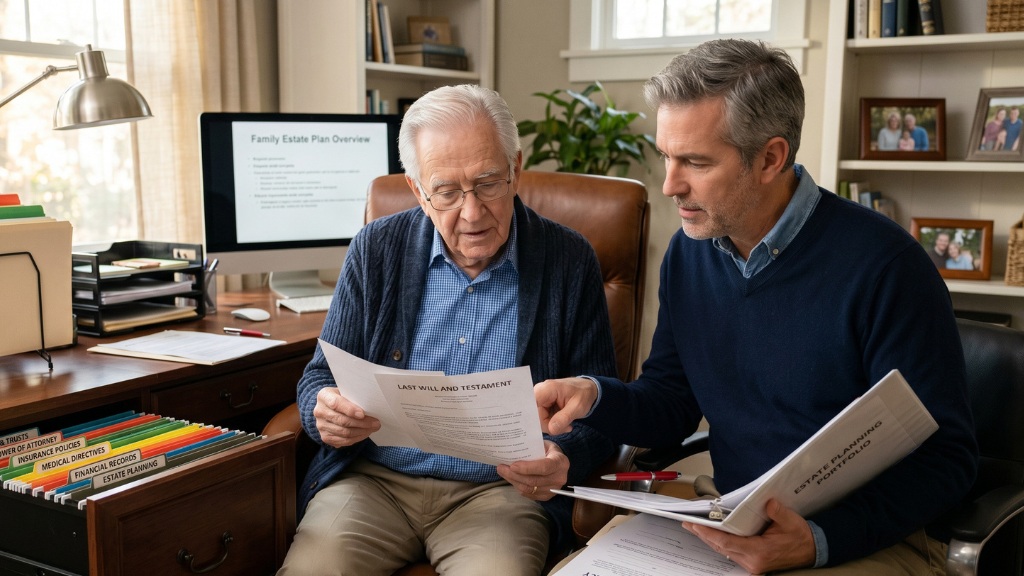
How Do Cognitive Changes Impact Inheritance Decisions
Inheritance decisions rely on a person’s ability to understand their assets, consider who might reasonably expect to inherit, and make decisions free from pressure or undue influence. Conditions such as dementia, traumatic brain injury (TBI), stroke, or acquired brain injury (ABI) can affect these abilities in different ways.
Because these cognitive changes affect a person’s ability to understand, weigh up, and communicate important decisions, a mental capacity assessment is often needed to determine whether they can make or update inheritance decisions safely and lawfully. Early assessment also helps families and solicitors plan future steps with clarity.
Cognitive difficulties often affect specific abilities more than others, and these changes can directly influence how someone manages or reviews their inheritance plans. Understanding which areas are impacted helps families anticipate where support may be needed and recognise when a capacity assessment might be appropriate. The sections below outline some of the most common difficulties seen after brain injury or dementia.
Changes in memory and understanding
People may struggle to recall the value of their estate, understand what they own, or remember previous Wills. This can make decision-making more difficult or lead to misunderstandings about what they intended.
Difficulty weighing up information
Brain injuries and forms of dementia can affect executive functioning, making it harder to compare options, understand consequences, or make balanced financial choices.
Impaired judgement and vulnerability
Reduced insight, impulsivity, or increased trust in others may place individuals at greater risk of exploitation, financial abuse, or being pressured into gifting or changing their Will.
Emotional and behavioural changes
Following a brain injury, some people experience emotional instability or changes in personality. These changes can influence how they view past relationships or longstanding decisions, sometimes leading to disputes or concerns about undue influence.
Fluctuating capacity
Conditions such as early-stage dementia or certain types of brain injury can cause fluctuating mental capacity. On some days, a person may appear capable of making decisions; on others, they may not. This can make it difficult to judge whether someone has the ability to make consistent, well-informed inheritance-related decisions. Read our guide on fluctuating capacity for more info on this topic.
For a general overview of how inheritance planning works before capacity becomes an issue, you may find our guide to estate planning and future decision-making helpful.
When Are Capacity Assessments Required After a Brain Injury or Dementia Diagnosis?
When someone has dementia, a traumatic brain injury, or another condition affecting cognitive functioning, decisions about inheritance, gifting, or future planning become more complex. A person’s ability to understand information, weigh up options, and communicate their wishes may change over time, and capacity can fluctuate from day to day. For this reason, solicitors and families often rely on a mental capacity assessment to confirm whether an individual can make or update a Will, create an LPA, or make significant financial decisions safely and lawfully.
Testamentary Capacity for Will-Making
Writing or updating a Will is one of the most important decisions a person can make, and the law has long recognised that it requires a certain level of cognitive ability. The legal benchmark is the historic case of Banks v Goodfellow (1870), which sets out the criteria a person must satisfy to make a valid Will.
Before writing a Will, the individual must be able to:
- Understand that they are creating a Will and appreciate its consequences
- Know, in broad terms, the nature and extent of their estate
- Consider the people who may have a reasonable claim to inherit
- Make decisions free from delusions, confusion, or external pressure
After a dementia diagnosis, stroke, or brain injury, these abilities can be affected in different ways. Solicitors, therefore, often request a testamentary capacity assessment to ensure any new Will reflects the person’s true wishes and will stand up to scrutiny during probate. This protects both the individual and the family from potential challenges later on.
Capacity to Make a Gift
Gifting may appear simple, but under the Mental Capacity Act 2005, it is a separate decision with its own capacity test. Gift-making requires the individual to understand not only the immediate act of giving something away but also its financial impact on their remaining assets and future security.
When assessing capacity to gift, the person must be able to understand:
- The nature and purpose of the gift
- The monetary or personal value involved
- How the gift may affect their ability to meet future needs
- Whether the gift may disadvantage themselves or favour one beneficiary over another
This becomes especially important after brain injury or dementia, where impulsivity, forgetfulness, or vulnerability to influence may increase. Capacity to gift also plays a role in inheritance tax planning, and unwise or poorly timed gifts can unintentionally create tax liabilities. Our separate article, Lifetime Gifting: When Generosity Becomes Risky, explores these issues in more depth.
Capacity to Make an LPA
A person with early dementia or the after-effects of an acquired brain injury may still be able to understand and create a Lasting Power of Attorney (LPA). The legal threshold requires the individual to understand:
- What an attorney is and the powers they will hold
- That they are choosing someone to act on their behalf
- When the LPA will come into effect
- The risks and safeguards involved
Because LPAs grant significant authority over finances or welfare, solicitors often seek a mental capacity assessment to confirm that the donor fully understands the implications. This protects against disputes and ensures the document meets the requirements of the Mental Capacity Act 2005.
Court of Protection Applications
Where capacity has already been lost, and no LPA exists, families may need to apply to the Court of Protection for authority to make decisions on behalf of the individual. This requires a formal COP3 capacity assessment to evidence the person’s inability to:
- Manage property and financial affairs
- Make decisions about health or welfare
- Understand the nature and complexity of the choices involved
Deputyship applications are a significant legal process, and courts rely heavily on clear, decision-specific capacity assessments to determine what support and safeguards are needed.
OFH Care provides COP3 assessments to support these applications and ensure compliance with the Mental Capacity Act 2005.
Capacity Loss and Estate Planning: What Families Need to Consider?
When someone loses capacity, families often find themselves navigating urgent decisions about finances, long-term care, and inheritance arrangements. The Mental Capacity Act 2005 provides a framework for these decisions, but families still need practical guidance on how to manage estate matters safely and lawfully. Key considerations include:
Reviewing existing documents
Check whether the person has:
- A Will
- Lasting Powers of Attorney
- Advance care directives
- Trust arrangements
If documents are outdated, vague, or inconsistent, solicitors may need to review them to ensure they still reflect the person’s wishes.
Acting in best interests
If the person lacks capacity, decisions must follow the principles of the Mental Capacity Act 2005. This includes:
- Considering their past and present wishes
- Taking the least restrictive option
- Involving them as much as possible
- Assessing whether decision-making ability might return
Protecting against financial vulnerability
Individuals with cognitive decline may be more likely to:
- Fall victim to scams
- Give away money impulsively
- Mismanage savings
- Be influenced by others
Family oversight, professional guidance, and robust documentation help reduce these risks.
Anticipating long-term care needs
Care costs, ongoing rehabilitation, and housing adaptations may all impact inheritance planning. Solicitors, brain injury case managers, and capacity assessors can work together to help families make informed, sustainable decisions.
For more detailed guidance on Wills, LPAs, and deputyship, our article What’s the Difference Between Wills, Powers of Attorney, and Deputyship provides a clear comparison.
How OFH Care Helps Individuals Plan Safely After Capacity Changes
OFH Care provides targeted support in two key areas affected by dementia and brain injury: mental capacity assessments and brain injury case management.
Specialist mental capacity assessments
We assess capacity for decisions such as making or amending a Will, making a significant financial gift, creating or updating an LPA, and managing property and financial affairs. We also complete COP3 assessments for Court of Protection applications, offering clear, structured evidence for solicitors and families.
Brain injury case management
Our case managers support individuals recovering from traumatic or acquired brain injuries by coordinating rehabilitation, helping families manage cognitive or behavioural changes, and monitoring risks around daily living and financial vulnerability.
Collaborative support for families and solicitors
We work closely with legal professionals to ensure decisions made after injury or diagnosis are safe, well-supported, and aligned with the Mental Capacity Act 2005. This collaborative approach provides reassurance and ensures decisions remain legally robust.
Conclusion
Brain injury and dementia can significantly influence a person’s ability to make informed and legally sound decisions about their inheritance. Understanding how cognitive changes affect judgement, memory, and decision-making helps families navigate these challenges with confidence. With the right support, including capacity assessments, case management, and legal guidance, individuals can continue to make decisions that reflect their wishes and protect their estate.
If you or a loved one needs support after a diagnosis or injury, OFH Care offers comprehensive assessments and case management services to ensure every decision is safe, lawful, and aligned with UK inheritance law.